
Two neighbors on the same street. Similar homes, similar square footage. One gets a quote for $4,500. The other gets a quote for $8,200. Neither painter is necessarily wrong.
This is one of the most frustrating parts of getting an exterior project started. The price range feels too wide to make sense of, and most homeowners are not sure what questions to ask to close that gap. Understanding what affects exterior painting cost in this region makes every conversation with a painter more productive and every estimate easier to compare honestly.
Here is what is actually behind those numbers.
Key Takeaways
Where Every Quote Starts: Home Size and Surface Area
The square footage of your home sets the floor for any exterior estimate. More paintable surface means more product and more hours on site. That relationship is straightforward.
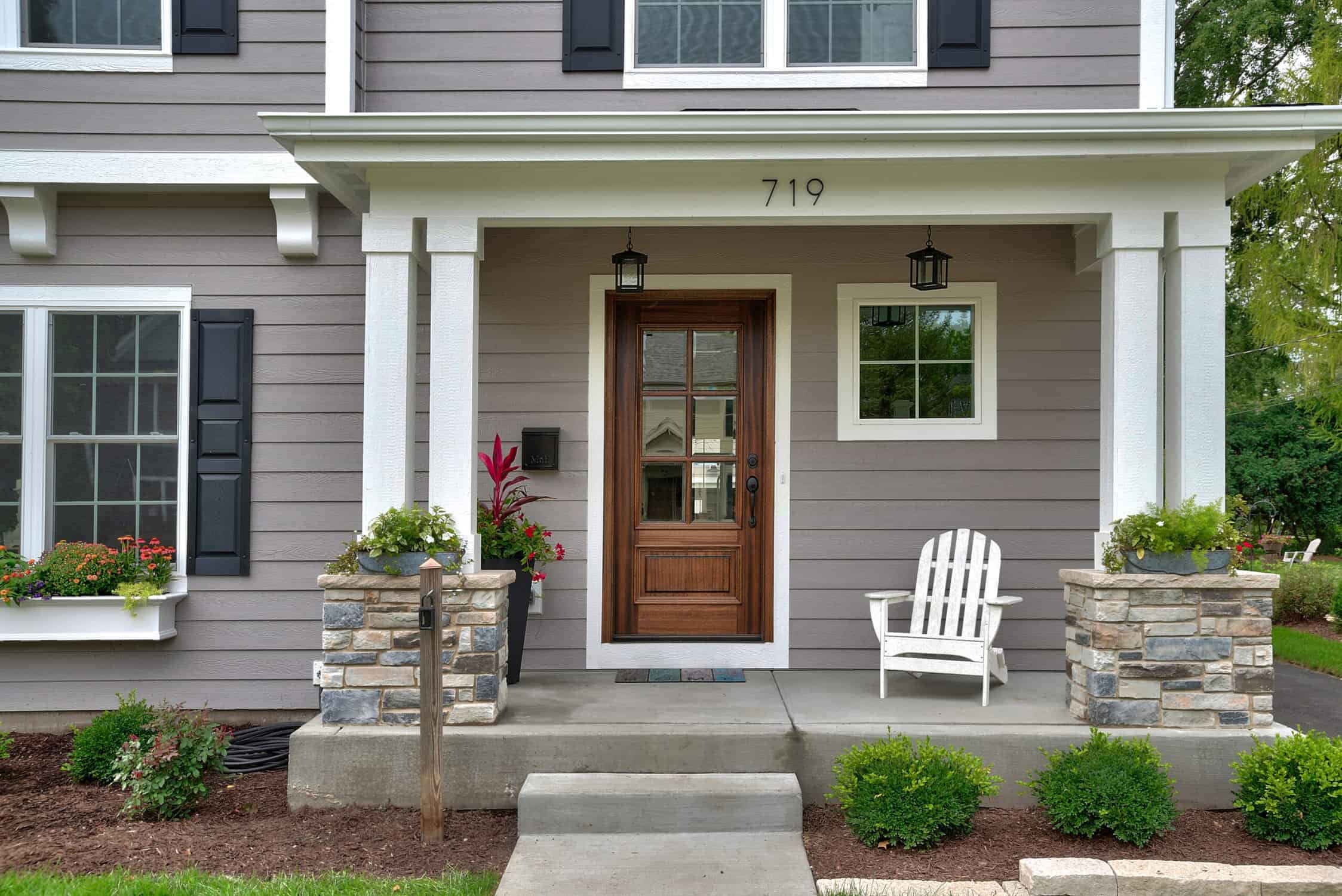
What catches homeowners off guard is that size alone does not tell the full story. 2 homes with identical square footage can produce very different quotes depending on how much of that surface is flat siding versus detailed trim, soffits, fascia, shutters, and multi-piece window casings.
Homes in areas like McLean, VA tend to have more architectural complexity than newer construction in other parts of Northern Virginia. That detail work requires careful hand application rather than a sprayer or roller, and it takes time.
Before requesting estimates, knowing your approximate exterior square footage gives you a baseline for comparing what different painters are actually pricing.
Surface Condition: The Factor That Moves the Number Most
If there is 1 variable that separates a $4,500 quote from an $8,000 quote on similar-sized homes, it is usually the condition of the surface before the exterior painting project begins.
Prep work is labor, and labor is cost. A home with clean, sound paint in good condition needs far less prep than one with peeling sections, failed caulk, weathered wood, or mildew buildup. In Northern Virginia, where freeze-thaw cycles run through winter and humidity stays high through summer, exterior surfaces tend to wear faster than in drier or milder climates.
According to the Paint Quality Institute, surface preparation is one of the strongest predictors of how long an exterior project holds up. A well-prepped surface can extend paint life by several years compared to one that was rushed through.
Common prep items that add to project cost include:
- Pressure washing to remove dirt, mold, mildew, and chalking
- Hand scraping and sanding failing or peeling paint sections
- Re-caulking around windows, doors, trim joints, and penetrations
- Spot priming bare wood or patched areas before top coats go on
- Light carpentry repairs on rotted trim boards before painting begins
Some painters build all of this into their base quote. Others itemize it separately. Asking upfront which approach a painter uses tells you a lot about how transparent the estimate actually is.
What Affects Exterior Painting Cost Beyond the Surface: Paint Quality
Product selection is a real cost variable, and it also determines how long the project lasts before your home needs attention again.
Budget exterior paints use less resin and pigment per gallon. They cover fine initially but break down faster under UV exposure, temperature swings, and moisture. Northern Virginia puts exterior coatings through a full range of conditions across every single year, and lower-grade products show that wear noticeably faster.
Premium exterior paints are formulated with higher resin content, which translates to better adhesion, more coverage per coat, and a longer lifespan before the surface starts to fail. The Consumer Reports exterior paint study has shown that top-rated exterior paints can outlast budget alternatives by 5 to 7 years under real conditions. That gap changes the math significantly when you think about cost per year rather than cost per gallon.
JC Custom Painting LLC uses premium paint lines selected for performance in Northern Virginia’s specific climate conditions. The science behind higher-resin exterior formulas supports the investment for homeowners who want to extend the interval between full repaints.
For more on how product choice connects to long-term project outcomes, the comparison of oil vs latex exterior paint covers how binder type affects durability, flexibility, and moisture resistance across seasons.
Coat Count and What Drives That Decision
Most exterior projects are quoted with 2 coats of finish paint. Some conditions push that to 3, and the added material and labor time shows up in the final number.
A significant color change, particularly going from a dark tone to a light one, almost always requires additional coats for full, even coverage. The same applies to any section where paint has been stripped back to bare wood or where a fresh primer coat is more porous and absorbs the first finish coat more aggressively.
Your painters should be able to tell you exactly how many coats are included in the quote and what conditions are driving that number. Cutting a coat to bring a bid down is one of the more common ways a lower-priced project ends up costing more within 3 to 5 years.
Trim Complexity and Access Difficulty
Trim work takes time, and time is labor cost. A home with simple, flat siding and minimal trim detail moves quickly. A home with decorative molding, multi-piece window casings, wraparound porches, and detailed fascia profiles takes significantly longer to complete correctly.
Access plays a similar role. Single-story homes are straightforward. Multi-story homes with steep rooflines, tight side yards, or sections that require scaffolding or boom lifts add real equipment and setup cost to any exterior project. That cost is not padding. It reflects what is actually required to do the work safely and correctly.
Homes across McLean, VA, frequently combine both factors: older construction with more detailed trim profiles and multi-story layouts that require ladder work on every section.
For a closer look at what detailed trim work involves on an exterior project, the guide on how exterior window trim gets painted walks through the process and why that section of any project carries its own preparation requirements.
How to Read an Estimate with This in Mind
Armed with this, you can look at any exterior quote and ask the right questions. What is included in prep? How many coats? What product line? What is the plan for trim versus flat siding sections?
A lower number that leaves those questions vague is almost always cutting something. A higher number that answers every one of those questions clearly is usually the more honest document.
Most Northern Virginia homeowners find that a project done right the first time at $7,000 costs less over 8 years than a $4,500 project that needs remediation at year 3 and a full repaint at year 5.
For a complete look at what exterior painting projects cost across the region, the full breakdown of exterior painting costs gives you realistic numbers and what drives them before you start making calls.
At JC Custom Painting LLC, every estimate starts with a Paint Strategy Meeting. We walk through your surface condition, product options, coat count, and timeline before any number goes on paper. No vague line items.
Reach out to our exterior house painting team and call us for a FREE estimate today. We will give you a clear, honest number before your project starts.