
Is it safe to live in a house with lead paint? For many older homes, the answer depends on the condition of the painted surfaces and if those surfaces are being disturbed. Lead-based paint that is intact and kept clean presents a different situation from peeling paint, worn windows, or surfaces that are being sanded, scraped, cut, or removed.
We serve homeowners in Vienna and across Northern Virginia, where many properties were built before the federal residential lead-paint ban took effect in 1978. If you own an older home, the goal is to understand the condition of the paint before a repaint or repair begins.
Why Lead Paint Risk Depends on Its Condition
Lead-based paint becomes more concerning when it deteriorates or creates dust. Peeling, chipping, cracking, or rubbing can release small particles that settle on floors, window sills, trim, and other surfaces.
That is why the age of the home is only the first question. We also look at the visible condition of the coating and the type of work being planned.
If paint is already lifting or breaking away, our guide to why chipped paint should be repaired explains why the source of the failure needs attention before repainting.
Where Lead Dust Can Come From
Lead dust can form as old paint breaks down or when painted surfaces rub against each other. Windows and doors are common concern areas because their painted parts move during normal use.
Renovation can also create dust. Sanding, scraping, cutting, drilling, demolition, and window replacement can disturb older coatings.
A surface that looks stable before work begins can become a different risk once preparation starts. That is why older-home projects need a lead plan before the first sanding or scraping step.
Who Needs Added Caution Around Lead
Young children are especially sensitive to lead exposure because their bodies and nervous systems are still developing. Lead exposure can affect learning, behavior, hearing, growth, and brain development.
Pregnancy also calls for added caution because lead in the body can reach the developing baby. Adults can experience health effects from lead exposure as well.
If you believe someone in the home has been exposed to lead, contact a healthcare provider or local health department. A blood lead test measures lead in the body.

How to Find Out If Your Home Has Lead-Based Paint
A pre-1978 construction date means lead-based paint is possible. It does not tell you which surfaces contain lead or if a current hazard exists.
Virginia Department of Health guidance recommends using a lead-safe certified contractor or risk assessor when you want a professional evaluation. A lead inspection can identify lead-based paint, while a risk assessment looks for lead hazards such as deteriorated paint and contaminated dust.
Consumer test kits exist, but a professional evaluation is more useful when the result will affect renovation, repair, or painting decisions.
You can review Virginia’s lead safety guidance for older homes before planning work.
What the Lead-Safe Renovation Rule Means in Virginia
Virginia follows the federal EPA Renovation, Repair and Painting Rule. In general, paid firms that disturb paint in pre-1978 housing or child-occupied facilities must hold the required lead-safe firm certification and use trained renovators for covered work.
The rule includes exemptions and minor-repair thresholds, so not every small touch-up is treated the same way. Paint testing also is not automatically required before every covered project. If affected surfaces have not been properly documented as lead-free, the lead-safe work requirements can apply.
For homeowners, the practical step is simple: ask what lead-safe requirements apply before hiring someone to sand, scrape, cut, repair, or repaint older coated surfaces.
We do not claim a lead inspection or abatement credential unless that service is specifically documented for the project. If specialized testing or abatement is needed, that work should be handled by the properly certified professional.
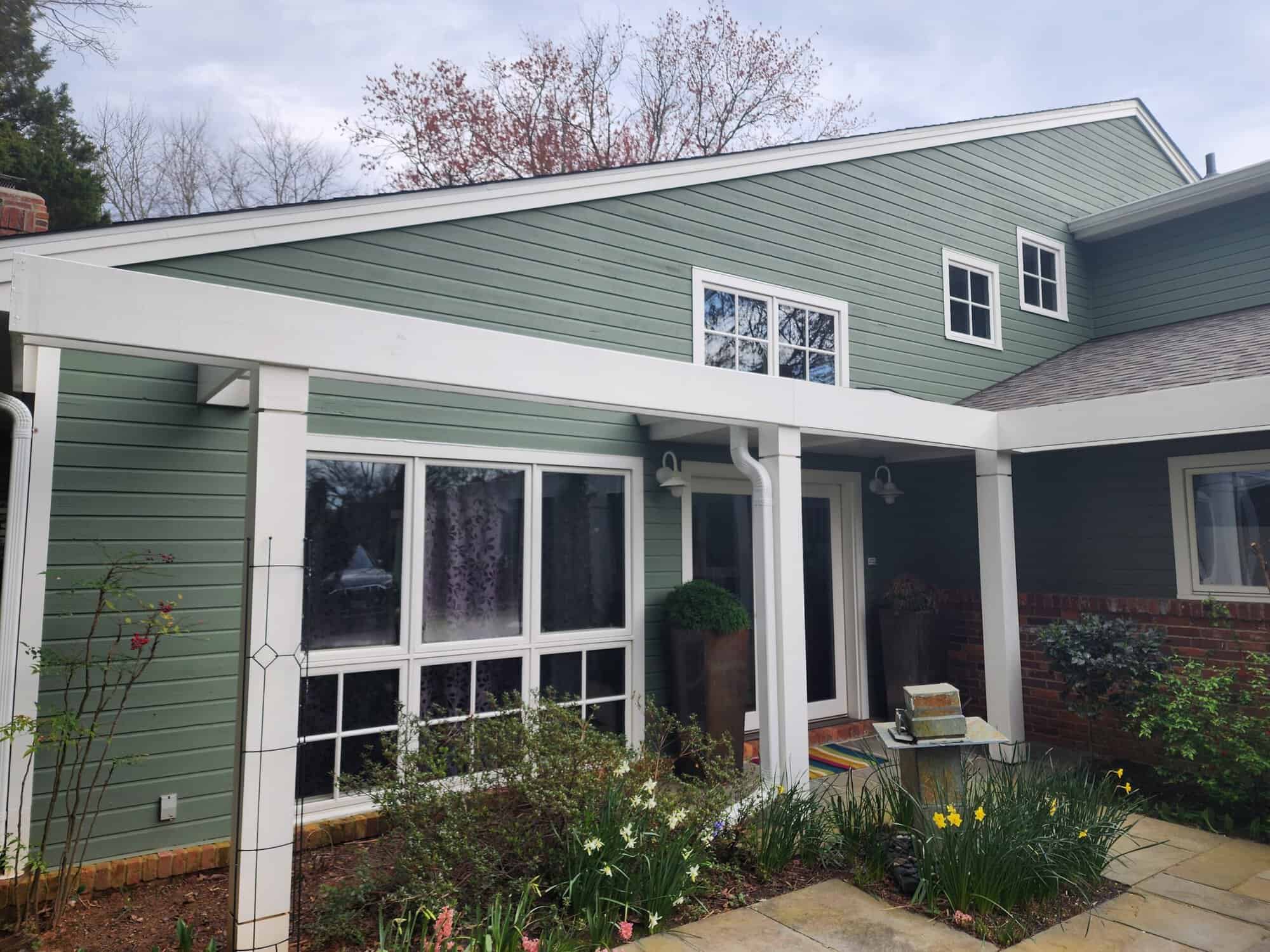
Repainting, Encapsulation, and Abatement Are Different
These terms are often treated as if they mean the same thing, but they describe different work.
Encapsulation is not appropriate for every surface. Friction, impact, poor adhesion, moisture, and heavy deterioration can change the recommended approach.
We removed the fixed encapsulation and abatement prices from the original draft because those costs vary too much by testing results, surface area, access, work method, containment, and local contractor scope to present one range as reliable for every Vienna home.
What to Do Before Repainting a Pre-1978 Home
If your older home needs interior or exterior painting, we recommend handling the lead question during project planning rather than after prep has started.
If you are deciding between doing the work yourself and hiring a painter, our article on when professional painting makes more sense than DIY covers project size, prep, access, and safety considerations.
Frequently Asked Questions
Can you safely live in a home that has intact lead paint?
EPA guidance says children can live safely in older homes when painted surfaces are in good condition, kept clean, and not creating lead dust or chips. The risk changes when paint deteriorates or is disturbed.
Do all pre-1978 homes have lead paint?
No. Homes built before 1978 are more likely to contain lead-based paint, but the construction date alone does not confirm that a particular wall, window, door, or trim surface contains lead.
Does a pre-1978 home have to be tested before it is painted?
Not in every situation. For covered paid renovation work, lead-safe requirements can apply unless affected surfaces are properly documented as lead-free under the rule. Testing can help with planning, but it is not automatically required by the RRP Rule for every project.
Can regular house paint encapsulate lead paint?
No. Standard interior or exterior paint should not be described as a lead encapsulant. Encapsulation uses a coating designed for that purpose and is not suitable for every surface or condition.